

What Homeowners Expect From Plumbers
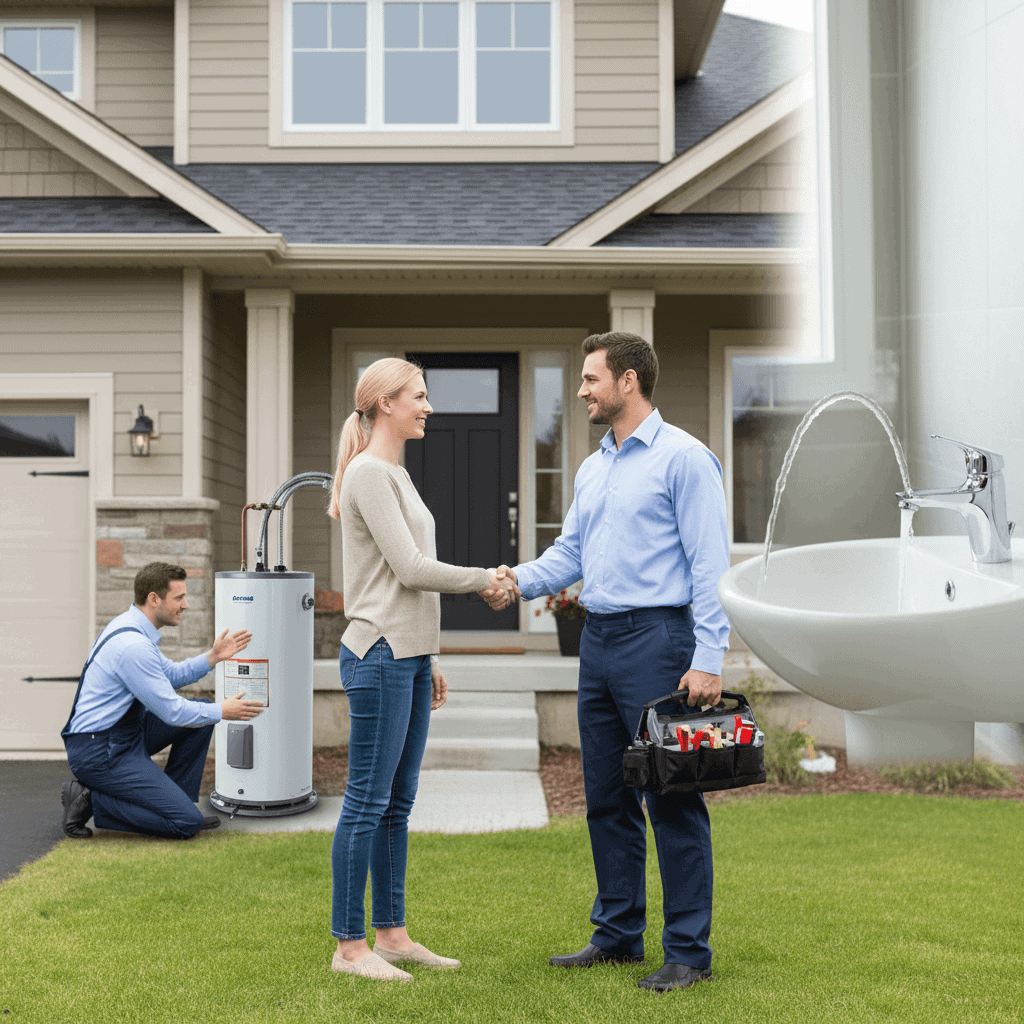
This guide outlines the typical expectations homeowners have when they call a plumber and gives concrete tips to screen candidates manage the job and get the best value. From first contact to final cleanup you will read about realistic standards for response times transparency in pricing work quality guarantees and simple signals that a plumber is trustworthy.
Rapid response and clear communication when you need it most
Homeowners expect a timely reply when they report a leak clog or other urgent issue. Rapid response means a plumber answers initial calls or messages within a few hours and gives a realistic arrival window. That includes a clear explanation of whether the problem appears to be an emergency and a list of immediate steps a homeowner can take to reduce damage.
Good communication also covers simple things like telling the homeowner whether the plumber will bring a helper what tools might be needed and an early estimate of labor time. That reduces uncertainty and helps homeowners decide whether to proceed.
What to say on the first call
When you call give these details
- Location of the problem in the house
- Visible signs such as water on the floor stains or unusual noises
- Whether the supply can be shut off safely
- Any safety concerns like electrical exposure
Questions plumbers should answer
A homeowner should expect direct answers about arrival time estimated charges flat fee options for small jobs and whether the plumber holds a license and insurance. If the responder avoids clear answers that is a warning sign.
Transparent pricing and upfront estimates
One of the most common homeowner complaints is surprise charges. Clear pricing starts with a basic framework that explains hourly rates service call fees and how parts are billed. A trustworthy plumber states a rough range for the most likely fixes and a minimum charge so the homeowner can weigh the cost against other options.
When work is minor a fixed price is often preferable to an hourly rate. For larger jobs homeowners expect written estimates that list labor parts and any potential extra costs so there are no surprises when the bill arrives.
Proof of licensing insurance and code knowledge
Homeowners want to know the person working in their house is qualified and backed by proper coverage. Plumbers who show a license number a certificate and details of liability insurance help homeowners feel secure. This matters most when a repair intersects with building regulations for gas lines drainage or complex installations.
Ask for the license status and what it covers. If the job involves permits homeowners expect the plumber to explain the local permit process and whether they will handle it on the homeowner behalf.
Quality parts workmanship and realistic guarantees
Long lasting repairs come from proper diagnosis correct replacement parts and firm workmanship. Homeowners expect plumbers to recommend repairs that fix the root cause rather than temporary patches that return in weeks. That means a plumber should explain why a part failed what the replacement will change and whether there are alternatives with different costs and lifespans.
Guarantees are also important. A simple warranty on labor for a stated period and manufacturer warranty on parts gives homeowners a clear path if the problem returns. Ask what is covered who pays for follow up visits and how claims are handled.
Clean work site respectful conduct and final checks
Homeowners expect tradespeople to leave a work area as clean or cleaner than they found it. That includes protecting floors and furniture removing debris and cleaning any water left behind. Respectful behavior is part of the package. A plumber should treat the home and household members professionally answer questions politely and explain next steps before they leave.
Final checks that homeowners should expect include a demonstration that the fixture functions correctly a rundown of what was done and any maintenance tips to prevent future problems. A short written summary of the job and the warranty helps the homeowner keep records.
Emergency availability and reasonable scheduling for non urgent work
Some issues need immediate attention while others can wait for an appointment. Homeowners expect a plumber to clearly label which situations warrant emergency service and which can be scheduled during normal hours. For true emergencies homeowners may accept a higher fee but they expect the plumber to arrive within the communicated window and to act decisively to limit damage.
For non urgent improvements or routine maintenance homeowners expect flexible scheduling options clear timelines for larger projects and periodic reminders when annual checks are recommended.
How to evaluate and choose a plumber practical tips
Choosing technicians can feel like guesswork. Use a simple checklist to compare candidates. Look for local references a track record of similar jobs transparent estimates good reviews and clear policies on guarantees and cleanup. When possible ask for a reference from a recent job of similar scope and call that reference for candid feedback.
If you are researching options for your area you may find curated lists useful. For those in Kuala Lumpur and Selangor a curated local list can speed up the search. For example an online directory that highlights reputable options can give you immediate leads and contact details for quick outreach top plumber recommendations.
Red flags to watch for
- Unwillingness to provide a written estimate or license number
- High pressure tactics to sign up for unnecessary services
- Requests for full payment upfront without written agreement
- Poor or no references for similar work
Questions to ask before hiring
- What is your estimated time on site
- Do you carry insurance and can you provide proof
- How do you handle unexpected issues found during the job
- What warranty do you offer on labor and parts
Maintenance expectations and small repairs homeowners can handle
Homeowners often expect ongoing support but can also take steps to reduce service calls. Regular tasks like checking for slow drains cleaning aerators on faucets and monitoring water pressure can prevent many issues. For gas appliances or complicated drain work it is safer to call a professional but knowing when to call and what to tell the plumber saves time and reduces cost.
When scheduling preventive maintenance homeowners should expect a checklist from the plumber that outlines what will be inspected what components are at risk and recommendations for parts replacement on a timeline. That gives homeowners an actionable plan rather than only reactive repairs.
Price versus value deciding what to prioritize
Price is important but not the only factor. Homeowners expect clear trade offs when choosing the lowest bid such as whether the cost difference comes from cheaper parts shorter warranty or less experienced labor. Focus on total value including warranty length response time and the likelihood that the repair will last. A slightly higher price that includes a two year labor warranty and quality parts can be the more economical choice over time.
Ask plumbers to explain the trade offs in writing so you can compare offers side by side. If a bid seems too low it may be worth confirming what is excluded and how long the work is expected to last.
In summary homeowners expect plumbers to combine quick reliable service clear pricing and quality repairs with respectful conduct at the job site. Use the screening questions and red flags included here to vet candidates and request written estimates and warranty details before work begins. Keep records of service visits and ask for simple maintenance checklists to reduce future problems. If you need fast local leads for Kuala Lumpur and Selangor the linked directory provides a focused starting point for contacting reputable technicians.